Hiking High Atlas Mountains – Ultimate Hiking Adventures in Morocco
Hiking High Atlas Mountains is one of the most rewarding outdoor experiences in Morocco. It offers access to North Africa’s most dramatic mountain scenery, just a short drive from Marrakech.Hiking High Atlas Mountains trails pass through rugged peaks and fertile valleys. Along the way, timeless Berber villages preserve ancient traditions and mountain lifestyles.The High Atlas range stretches over 2,500 kilometers across central Morocco. Snow-capped summits, high plateaus, deep gorges, and green valleys create constantly changing landscapes.The region is a premier destination for adventure travelers. Popular routes for Hiking High Atlas Mountains include the Ouirgane Valley, Imlil Valley, and the remote Azzaden Valley.Each valley reveals a different side of Morocco’s wilderness. These areas are ideal for scenic day hikes and immersive cultural walks.Climbing Mount Toubkal is a highlight of Hiking High Atlas Mountains adventures. Moderate valley walks also offer rewarding experiences for all fitness levels.Beyond the trails, Hiking High Atlas Mountains delivers meaningful cultural immersion. Staying in local guesthouses allows travelers to connect with Berber families.Sharing meals and walking ancient trading paths enrich every journey. These moments make Hiking High Atlas Mountains more than just a physical adventure.From challenging ascents to peaceful village walks, Hiking High Atlas Mountains combines natural beauty and cultural depth. It remains one of Morocco’s most unforgettable hiking experiences
Guided Hiking Tours in Mount Toubkal & the Atlas Mountains
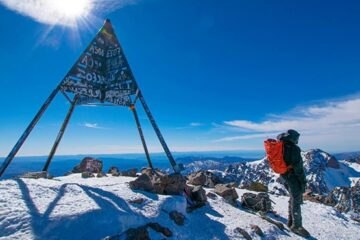
Adventure awaits in the Atlas Mountains of Morocco! Trek to the summit of Mount Toubkal (4,167m) and experience breathtaking mountain views, authentic Berber villages, and dramatic valleys.Duration Options: 1-day summit, 2–3 day treks, or multi-day expeditionsDifficulty: Moderate to challenging – guides recommendedBest Time: April–October (ideal weather), December–March (snow trekking)Accommodation: Mountain refuges & Berber guesthousesPush your limits, capture stunning panoramas, and immerse yourself in Morocco’s High Atlas adventure
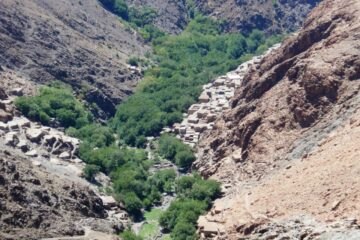
Not everyone has a full week to trek — that’s why our Atlas Mountains day hikes are perfect for travelers short on time. These guided hikes take you deep into the High Atlas Mountains in just one day.
Ideal for visitors from Europe, the UK, and the USA, our day hikes showcase waterfalls, alpine meadows, mountain villages, and panoramic views — all led by an experienced local guide.
Perfect for:
• Short stays in Morocco
• Families & beginner hikers
• Cultural and nature lovers
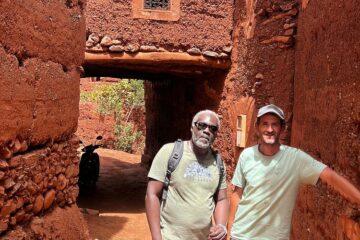
A weekend hike in the Atlas Mountains is the perfect balance of adventure and accessibility. These tours offer diverse landscapes, moderate challenges, and deep cultural immersion — ideal for travelers flying from Europe or extending a Marrakech stay.
Explore valleys like Azzaden and Ouirgane, walk ancient mule paths, and enjoy breathtaking scenery shaped by centuries of Berber life.
Weekend treks include:
• Scenic mountain valleys
• Comfortable mountain guesthouses
• All difficulty levels available
Posted on Tripadvisor Ivan1450
Verified
Really good place Dar Bimbimbi is an incredible place surrounded by nature, its very comfortable facilities with spacious and warm rooms, jacuzzi and swimming pool. You can do different activities, from mountain hikes, yoga and enjoy a delicious Moroccan food, made with natural ingredients from the area. Said took me on his ouirgane valley sunrise hike …… a friendly, attentive host and an excellent mountain guide. I would visit the place again and I recommend the experience.Posted on TripadvisorToby SA wonderful hike & meal We had a memorable hike through the villages of the Ouirgane Valley, ending with a gorgeous meal of local delicacies. Saïd, the guide, is knowledgable and funny - and his English is better than that of most Brits. He is a pleasure to have around and made the hike unforgettable.Posted on TripadvisorMichael KAn authentic experience amongst unparalleled beauty! A wonderful trip into the unspoilt landscape of the Atlas Mountains with non-stop spectacular views. The lemon tagine was absolutely delicious - served al fresco by a natural spring / followed by traditionally brewed fresh mint tea - a particularly memorable moment for our little group of friends. Most of all Said, the guide, is a gem of person... kind with a great sense of humour, punctual, trustworthy and knowledgable. Being brought up in the nearby Berber village Said is full of stories which makes for an authentic and fascinating trip. Could not recommend this enriching experience more!Posted on TripadvisorVincent AUnique volonteering hiking lifetime experience in the atlas mountains Saïd place is unique and peace full , Dar bimbimbi is incredible , a lot of smalls details and personal touchs made this place a living place , not just an other big hotel , there is passion and history here . From a simple place make it a palace ; Big 3 stairs house with 3 huge balconys , crossed by a small river . There is an upcoming mosaïque pool and jacuzzi for mai 2024. Unique pizza oven surround by wall of mud and banboos roof where we use to cook sometime , and one small waterfall in the second garden where we use to rest after a great hiking day. One of my favorite place was the big fireplace in the living room where we used to made slow and delicious Maroccan and Berber dishes, i try so many differents tasty dishes , i've discovered a whole new way of cooking , mostly everything from the fire . Rooms ans living rooms unique confortable but simple . I stayed there 2 weeks i did volonteering to help after the earthquake, I did and learn how to make pisé wall , and also earth bricks. Saïd do almost everything by himself a great learner and teacher. And of course the main part was the infinite surround landscape. Walk by yourself , or get guide by Saïd , you will pass trought so many locals and farmers lost tracks , to always end up in an Amazing view or berbere villages , the best way for me who are a hiking fan . I recommand the Ouirgane Valley and The salline of Marigha, he guided us on these 2 tracks , we drinked the tea and learned how an entire village lives from a salt mine . Incredible !Posted on TripadvisorAle PMy experience volunteering near Atlas Mountains (Ouirgane) and other adventures If you like volunteering and hiking, this experience is for you! My experience at Said's place was really incredible, not only because of the place, but also because of multiple activities that you can do and experience. Said's place is a cozy house with different common areas, a garden, living room, dining room, kitchen and a terrace that was my favorite place, as well as a fireplace in the living room that is very cozy and a pool (almost finished). During the volunteer activities I was able to learn how to repair walls, make a fence, and build with environmentally friendly materials. The time with the other volunteers was very good and we had good fun. In our free time after volunteering we learned to cook different Moroccan dishes, in addition to also being able to make some from our countries and share with everyone. In the morning you can schedule walks to see the sunrise or in the afternoon to see the sunset, the walks are of low to medium difficulty, and the views are incredible!!! During the walks you pass through different Berber villages and live with local people. Said's space is surrounded by nature so the mornings pass slowly, without the chaos of the city, work starts around 11 in the morning, so you can enjoy a coffee or tea on the terrace or next to Fireplace. I definitely recommend this experience, just keep in mind that at the moment there is no hot water but Said will fix it soon, even though cold water is good for the body and health and a great challenge that I also recommend doing. Will I return to this place in the future? Of course, Said does everything to make you feel at home in addition to teaching you about the history of Morocco and its people.Posted on TripadvisorJohanna NSunrise hiking experience in the Atlas mountains This was an amazing hike srarting early in the morning, I don't want to miss. Beautiful scenery, not touristic at all. I also slept at Said's house Dar Bimbimbi. It's still a work in progress but already so beautiful. This is a "once on earth " place. Said cooked amazing vegetable Tajine and shared a lot about the Berber traditions with us. I would definitely return and recommend this experience!Posted on TripadvisorL'Amandier Hotel & VillasDon't hesitate to let Said take you on an adventure...this is next level mountain guiding!! I've known Said over 20 years now and he never fails to exceed all expectations... I'd asked him especially to visit the salt wells at Marigha, close to where he lives and I had worked a few years ago. I hadn't quite realised I'd be taking my shoes and socks off and getting stuck in!! The age old way of doing things really appealed - buckets and rope and hard graft (well for about 5 minutes!) and I'm sure Ahmed, the salt mine owner could have gone on all day. We had of course sweetened tea, boiled over a fire in a blackened pot with the addition of 'shiba' or absinthe which grows during the colder months when the ubiquitous mint is less available. The egg tagine was sublime in it's simplicity and taste, just enough to satiate the appetite but not excessive as we still had some walking to do. After raking up our saline hoard and loading it onto Baku, the 7 year old donkey with wonderfully soft ears to stroke, we headed home, chatting and collecting the odd sparkly rock (not a forte of mine..geology) with that lovely feeling of doing something useful and very clean feet!! 'I'll be back' as the well known Austrian born bodybuilder/actor would say...any excuse to try a new experience or perhaps some new season mint, inchallah!!Posted on TripadvisorRelax29111629200Sunset walk Local guide setting up his business. We enjoyed a hike across the mountain with lovely views on the olive trees and valey.Posted on TripadvisorEssexBound123Experienced local guide If you are travelling to Marrakesh and decide to visit the beautiful valley of Ourigane, Asni, Imlil then Said is the guide to look out for. He is a very experienced local guide with excellent knowledge of all the surrounding areas around Ourigane and speak fluent English. He has been our guide for a number of years and never fails to surprise us with new places to explore around villages, local restaurants and track through the most beautiful countryside and watch in awe the beauty of the Atlas Mountains. He is very knowledgeable on the local flora and fauna. If you want to experience off beaten tracks then Said is the guide for you. He is a very polite, gentle, respectful and honest gentleman. We have been to Said’s beautiful hideaway place several times, nestled in Ouigane valley with beautiful, breathtaking panoramic views of surrounding countryside and mighty Atlas. He has built his place himself with the help of local builders and craftsmen, worth a visit to have tea and have few peaceful moments to relax and reflect.Posted on TripadvisorAnwar HUnforgettable experiences My experience in Morocco would not have been the same without having met and taken some unforgettable journeys with Said. We climbed a number of wonderful mountains and hills together (including the magnificent Toubkal). We met very interesting people along the way and enjoyed some truly beautiful scenery. I also had the pleasure to meet and get to know his wonderful family, who I will never forget. I shall always remember those times spent together very fondly… adventurous, insightful and colourful. Said is an extraordinary and kind young man. I certainly look forward to returning some day to see Said and enjoy another good hike together.Tripadvisor rating score: 5.0 of 5, based on 17 reviews
Frequently Asked Questions
Where is Mont Toubkal ?
At 4,165 meters (13664 feet), Mont Blanc stands tall as the highest peak in the Atlas Mountains and and North Africa . Maghreb region of North Africa, and the range stretches across Morocco, Algeria, and Tunisia. They form a natural border region that separates the Mediterranean and Atlantic coastlines to the north from the vast Sahara Desert to the south. . The mountain is famous for its distinctive snowy peak and unspoilt beauty, attracting climbers and hikers from around the world.
When is the best time to visit Mont Toubkal?
The best times to visit Mount Toubkal for most trekkers are
Spring (April-May) and Autumn (September-October) for mild weather, green landscapes (spring), and fewer crowds (autumn) with snow-free trails, while Winter (November-March) offers a challenging, snowy mountaineering experience with specialized gear, and Summer (June-August) provides snow-free but hot conditions at lower altitudes, requiring early starts.
Spring (April-May)Pros: Lush, green scenery with wildflowers; comfortable daytime temperatures; moderate crowds; generally snow-free on main routes.
Best For: Beginners and those wanting a picturesque, balanced experience.Autumn (September-October)Pros: Stable, mild weather; crisp air; fewer crowds than summer; beautiful autumnal colors; good for clearer views.
Best For: A more intimate, personal experience with the mountain.Summer (June-August)Pros: Snow-free routes, easier for beginners; long sunny days.
Cons: Can be very hot at lower elevations, requiring early starts to avoid midday sun; trails and refuges are busy.Winter (November-March)Pros: Transforms into a snowy wonderland; fewer crowds; unparalleled views.
Cons: Requires crampons, ice axes, and significant winter mountaineering experience; cold temperatures; shorter daylight hours.Key ConsiderationsFor Beginners: Spring and Autumn are ideal for a first high-altitude trek.
For a Challenge: Winter offers a true mountaineering adventure.
Year-Round: The mountain is climbable year-round, but be prepared for seasonal extremes, even in summer, and always check the weather and go with a local guide if possible.
What tour options are available for exploring Mont Toubkal ?
You can explore Mount Toubkal via various guided tours, ranging from quick 2-day summit attempts and longer 4-6 day treks through Berber villages, to winter climbs using crampons, or even combined trips with Sahara Desert tours and mountain biking, all generally starting from Marrakech with support from local guides and mules. Options include classic routes, challenging winter ascents, and immersive cultural experiences in the Atlas Mountains
Do I need prior hiking or climbing experience for the Tour du Mont Toubkal?
No, you don’t need technical climbing experience for the Tour du Mont Toubkal (Jebel Toubkal) as it’s a non-technical trek, but you do need good physical fitness for long days of walking on steep, rocky terrain and acclimatization to high altitude. It’s considered accessible for fit beginners but requires preparation, including training on hills with a weighted pack and respecting the mountain’s altitude, with proper guiding crucial for safety.
Are there any safety considerations for touring Mont Toubkal?
Your safety is always paramount to us. Given the rugged terrain and unpredictable weather conditions of Mont Toubkal, it is essential to be well-prepared with the appropriate gear, including sturdy hiking boots and warm clothing. We recommend keeping up to date with the current weather forecast and trail conditions, as well as following the guidance of our experienced guides, which can help ensure a safe and enjoyable tour. Although most of our routes are non-technical, there are some sections where you may need to use a fixed sloping ladder and metal footsteps to traverse steeper parts. The high alpine paths are well maintained, but they can be rough underfoot with loose rocks in places, so you need to be extra careful with you footing and balance.
What are the best things to do on a tour of Mont Toubkal?
A tour of Mount Toubkal offers incredible trekking to North Africa’s highest peak, cultural immersion in Berber villages like Imlil, exploring stunning valleys (like the Rose Valley), enjoying traditional food (tagines, mint tea), relaxing in hot springs, discovering local crafts, and experiencing diverse activities from winter skiing to summer canyoning, all set amidst breathtaking Atlas Mountain scenery.
How many people are there in a group?
We run our guided treks with between 2 and 10 people. We NEVER oversubscribe our groups to ensure that each client enjoys their time with the guide and the group and that the group remains safe. If you are a self-guided group, it is entirely up to you as to the size of your party.